Dry Pipe vs. Wet Pipe Sprinkler Inspections: What Differs at Inspection Time
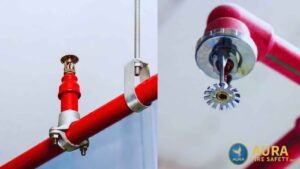
Dry pipe and wet pipe fire sprinkler systems share the same core inspection requirements under NFPA 25 and California Title 19, but dry pipe systems
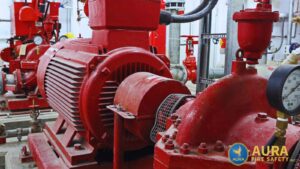
Dry pipe and wet pipe fire sprinkler systems share the same core inspection requirements under NFPA 25 and California Title 19, but dry pipe systems

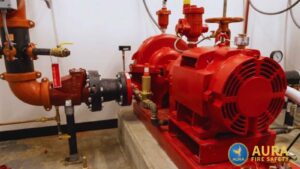
The annual fire pump flow test is a performance evaluation required by NFPA 25 that runs a fire pump under actual flow conditions to confirm

A fire pump churn test is a no-flow operational test that runs a fire pump at its shutoff condition to verify it starts correctly, reaches

Fire safety compliance for property managers means maintaining every fire protection system in the building on its required inspection cycle, keeping documentation current, and filing

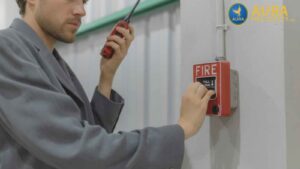
A failed fire alarm inspection means one or more system components did not meet NFPA 72 standards, and the building’s fire alarm certification cannot be

A warehouse fire sprinkler inspection verifies that the system still matches the storage configuration, commodity classification, and clearance requirements the system was designed to handle.

Multi-family property fire protection covers a coordinated set of systems including fire sprinklers, fire alarms, emergency lighting, kitchen hood suppression where applicable, fire pumps in

Fire sprinkler inspection violations in California trigger escalating enforcement from the local fire department, starting with a Notice of Violation and progressing through administrative citations,

In a multi-tenant building, the fire alarm inspection is the building owner’s legal responsibility, even when the lease assigns the cost to tenants. Authorities Having

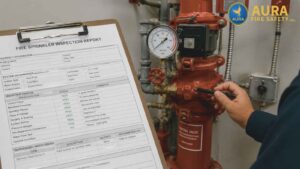
A fire sprinkler inspection report is the document your inspection company provides after completing a quarterly, annual, or 5-year fire sprinkler inspection. It lists every