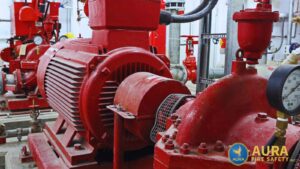

Fire Pump Room Inspection: What Inspectors Check Beyond the Pump
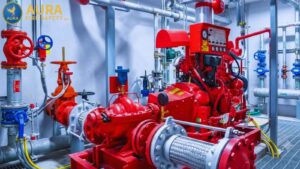
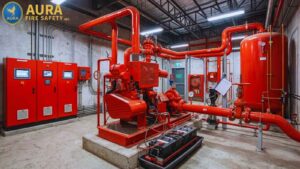
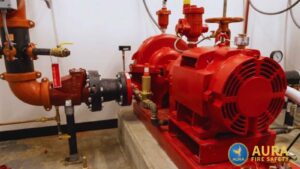
A fire pump room inspection covers more than the pump’s mechanical condition and performance. NFPA 25 Chapter 8 requires inspectors to evaluate the room’s environmental

A fire pump room inspection covers more than the pump’s mechanical condition and performance. NFPA 25 Chapter 8 requires inspectors to evaluate the room’s environmental

Standpipe systems in mid- and high-rise buildings face inspection requirements and compliance challenges that low-rise buildings do not. Building height introduces pressure management demands, flow

A building needs a fire pump when the available municipal water pressure and flow cannot meet the hydraulic demand of the fire sprinkler system. The

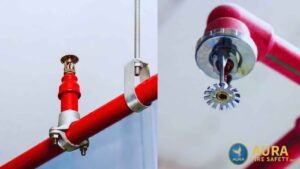
Dry pipe and wet pipe fire sprinkler systems share the same core inspection requirements under NFPA 25 and California Title 19, but dry pipe systems

The annual fire pump flow test is a performance evaluation required by NFPA 25 that runs a fire pump under actual flow conditions to confirm

A fire pump churn test is a no-flow operational test that runs a fire pump at its shutoff condition to verify it starts correctly, reaches

Fire safety compliance for property managers means maintaining every fire protection system in the building on its required inspection cycle, keeping documentation current, and filing

A failed fire alarm inspection means one or more system components did not meet NFPA 72 standards, and the building’s fire alarm certification cannot be

A warehouse fire sprinkler inspection verifies that the system still matches the storage configuration, commodity classification, and clearance requirements the system was designed to handle.

Multi-family property fire protection covers a coordinated set of systems including fire sprinklers, fire alarms, emergency lighting, kitchen hood suppression where applicable, fire pumps in