Annual fire alarm inspections are required under NFPA 72 for all commercial and multi-unit residential buildings in California. They cover every detection device, notification appliance, battery backup system, and panel function, and must be performed by a licensed fire protection contractor. Aura Fire Safety provides fire alarm inspections for properties throughout the San Francisco Bay Area, handling both the inspection and any corrections found under one contract. Our team holds C-16 license #1116233, C-10 license #1116233, and State Fire Marshal registration E 2336, with 27 years serving Bay Area commercial and multi-unit residential properties.
An annual fire alarm inspection covers every component of the fire alarm system under NFPA 72, from individual detection devices to panel functions and monitoring station connections. The table below outlines what gets tested and what each test confirms.
What Gets Tested | What the Test Confirms |
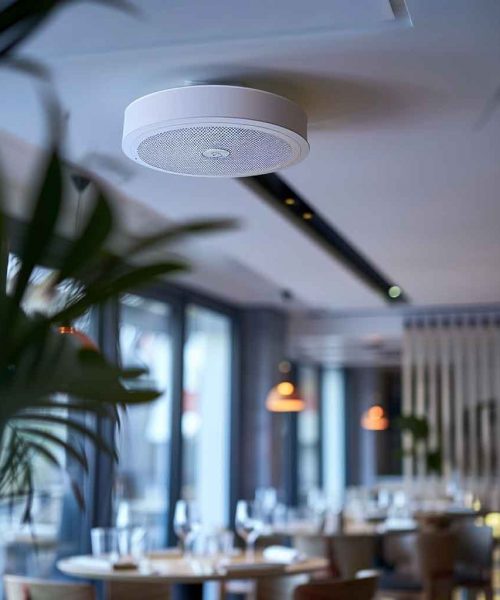
Smoke detectors | Sensitivity within listed range; flagged for cleaning or replacement if outside tolerance |
Heat detectors | Activation response within design parameters |
Manual pull stations | Each station triggers the alarm panel correctly |
Notification devices (horns, strobes) | Activate at correct sound levels and flash rates |
Duct smoke detectors | Activation shuts down HVAC system as designed |
Battery load test | Backup batteries sustain system operation for required duration under load |
Panel functions | All supervisory, trouble, and alarm signals process and transmit correctly |
Flow and tamper switches | Sprinkler system integration signals transmit to the FACP correctly |
Monitoring station connection | Alarm signals transmit to the central station and fire department dispatch correctly |
Monthly visual checks of the system are the building owner or manager’s responsibility between professional inspections. The annual inspection is the professional evaluation that produces documentation for AHJ compliance and records the condition of every device tested.
NFPA 72 requires annual inspection and testing of all fire alarm system components by a licensed fire protection contractor. This applies to all commercial buildings and multi-unit residential properties throughout California.
Monthly visual checks, including confirming that devices are unobstructed, indicator lights show normal status, and no visible damage is present, are the building owner’s responsibility and do not substitute for the annual professional inspection.
Certain occupancy types, including high-rise buildings, healthcare facilities, and hotels, may have additional inspection requirements beyond the NFPA 72 annual minimum based on local AHJ requirements. For a current look at what San Francisco property owners need to know about code compliance, see our post on fire alarm compliance and recent code changes in San Francisco. The San Francisco Fire Department enforces compliance in San Francisco and may request inspection records at any time. Missing or incomplete documentation can result in notices of violation regardless of the system’s actual condition. Our post on how to avoid a fire alarm violation notice covers what triggers these citations and how to stay ahead of them.
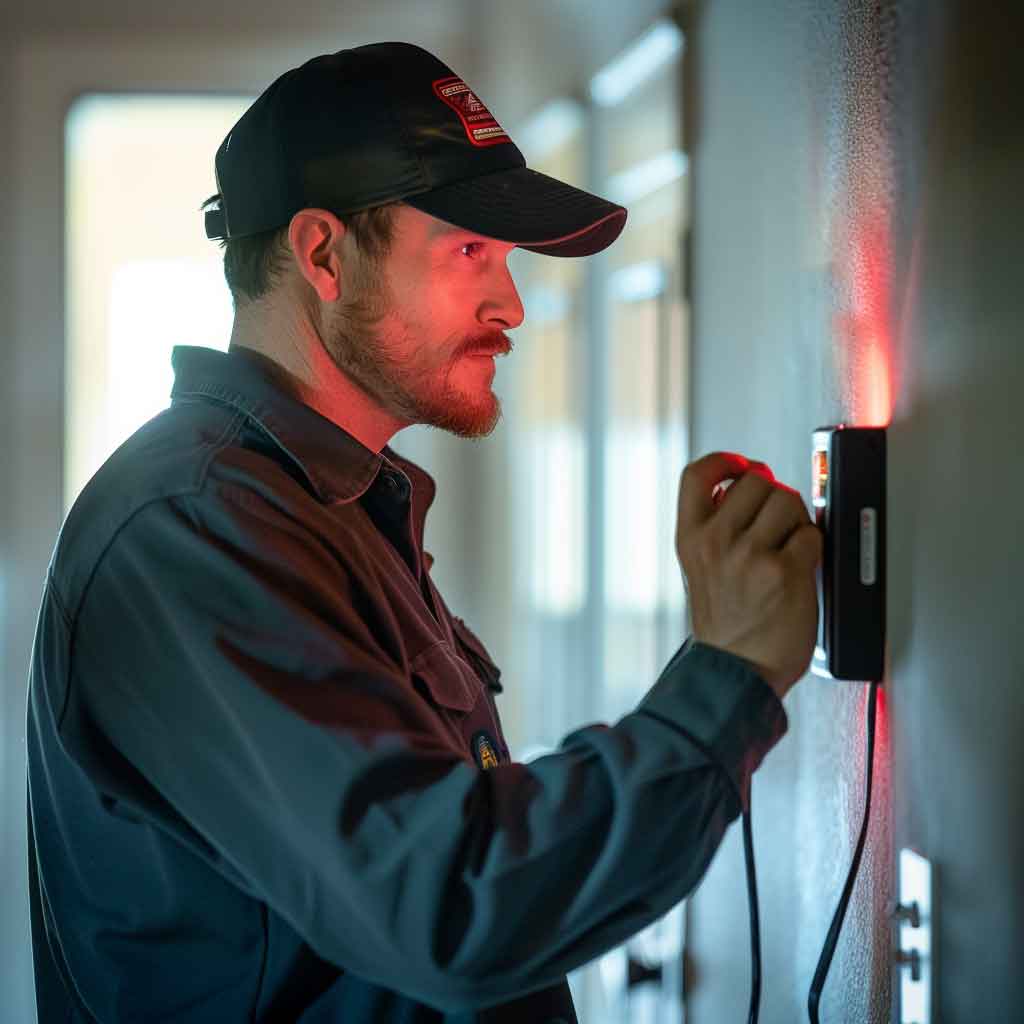
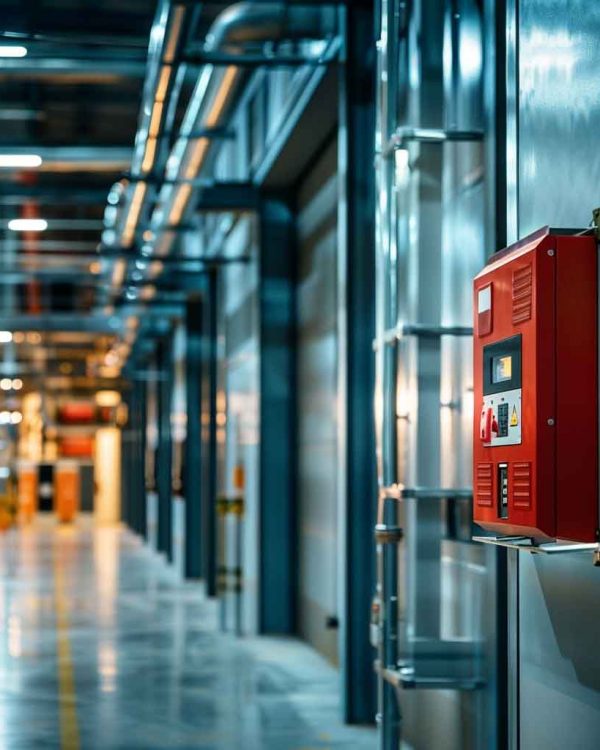
Deficiencies found during a fire alarm inspection are documented in a written report and categorized under NFPA 72 (2022) into three severity levels. For a breakdown of the most frequent issues and how they get resolved, see our post on common fire alarm inspection failures and how to fix them.
Aura Fire Safety handles all corrections under the same contract. No second vendor coordination is needed after the deficiency report, and impairments are prioritized for immediate scheduling to keep your property compliant.
Commercial fire alarm inspections cover office buildings, retail spaces, restaurants, hotels, and multi-tenant buildings throughout the San Francisco Bay Area. NFPA 72 applies to all commercial occupancies, and the inspection scope expands with system complexity.
For addressable systems, each device is tested and identified by its unique address, producing precise documentation of which device triggered what result at which location. For conventional systems, each zone is tested to confirm it triggers the panel correctly. Both system types require the same device-level testing under NFPA 72. The difference is how precisely the panel identifies the source. For a full comparison, see our post on conventional vs. addressable fire alarm systems.
Integration testing is a critical part of commercial inspections. Flow switches and tamper switches connecting the fire sprinkler system to the alarm panel are tested to confirm signals transmit correctly. Duct smoke detectors are tested to verify HVAC shutdown activates as designed. Where 24-hour monitoring is in place, the monitoring station connection is verified during the inspection.
Aura Fire Safety is familiar with SFFD documentation requirements and local AHJ expectations throughout the Bay Area. Properties in San Francisco must maintain current inspection records, and our written reports are formatted to meet those requirements.
Call Today for a Quote
Or Click The Button and We'll Call You

Residential fire alarm inspections apply to multi-unit residential buildings, including apartment complexes, condominiums, and HOA-managed communities. The same NFPA 72 annual inspection requirement that applies to commercial buildings applies to multi-unit residential properties.
A typical multi-unit residential inspection covers:
For HOA-managed properties, the HOA board is typically responsible for scheduling annual inspections and maintaining documentation for the building’s common area fire alarm system.
Yes. Aura Fire Safety performs both the fire alarm inspection and all required corrections under one contract. There is no need to coordinate a second vendor after the deficiency report.
After every inspection, a written report documents all findings with their NFPA 72 deficiency categorization and required correction timeline. For a look at what those corrections typically involve, see our post on common fire alarm correction issues and how we fix them. Corrections are scheduled promptly, with impairments prioritized for immediate resolution. Aura Fire Safety holds C-16 license #1116233 and C-10 license #1116233, covering both inspection and correction work for fire alarm systems throughout the Bay Area.
Aura Fire Safety serves commercial and multi-unit residential properties throughout the San Francisco Bay Area. Annual fire alarm inspections start at $395 for smaller properties. Larger commercial buildings vary based on system size, device count, and whether corrections are needed. Contact Aura Fire Safety online to request a transparent, upfront quote with no hidden fees.
Call Today for a Quote
Or Click The Button To Schedule Consultation
Annual fire alarm inspections start at $395. Cost varies for larger commercial properties based on system size and device count. All quotes are provided upfront before work begins, with no hidden fees.
During a conventional system inspection, each zone is tested to confirm it triggers the panel correctly. During an addressable system inspection, each individual device is tested and identified by its unique address. Addressable inspections produce more precise documentation of device locations and conditions, which the fire department uses to identify alarm sources immediately.
Upon passing, Aura Fire Safety provides a written inspection report documenting all devices tested, results, and compliance status. Any deficiencies found are listed with their NFPA 72 categorization and required correction timeline. This report serves as the compliance documentation the AHJ may request.
No. A fire alarm inspection does not require building evacuation. Audible notification devices will be activated during testing, so notifying building occupants before testing begins is advisable to avoid confusion or unnecessary alarm response.