Berkeley restaurants require specialized fire protection systems designed specifically for commercial kitchen environments. A kitchen hood fire suppression system in Berkeley, CA, is not only essential for stopping grease fires that can spread within minutes but also for meeting local fire codes and health department requirements. Professional installation and ongoing maintenance from licensed Berkeley contractors ensure these systems function reliably when emergencies occur.
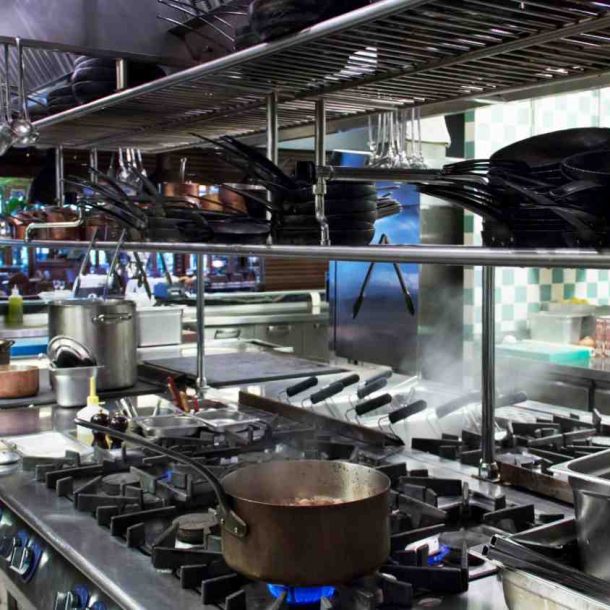
Commercial cooking in Berkeley’s diverse food scene, from gourmet restaurants near Shattuck Avenue to busy cafés around UC Berkeley, produces intense heat and grease buildup that standard sprinkler systems cannot control. Only dedicated suppression technology can effectively combat grease fires in these high-demand environments. For restaurant owners, understanding these systems means more than compliance; it is about protecting staff, safeguarding customers, and preserving their investment in one of Berkeley’s most competitive industries.
ALSO READ: The Importance of Regular Kitchen Hood Inspections
Berkeley restaurant owners must navigate complex regulatory requirements that govern commercial kitchen fire safety systems. State and local authorities enforce strict compliance standards designed to protect businesses and ensure public safety. Understanding these requirements helps restaurant operators maintain proper certification while avoiding costly violations and operational disruptions.
California requires kitchen hood fire suppression system inspections every six months for all commercial food service establishments. These inspections ensure compliance with UL 300 standards and confirm that every system component is operating correctly. Licensed technicians thoroughly evaluate detection systems, suppression agents, and manual controls during each scheduled visit.
Key inspection requirements include:
Berkeley fire department regulations supplement state requirements with additional local standards for commercial kitchens. Local authorities conduct periodic compliance checks and respond to system activation events. Building permits may be required for new installations or major system modifications.
Restaurant owners must coordinate with local fire officials during the planning phase of any commercial kitchen fire suppression system in Berkeley, CA. Understanding local requirements early prevents costly delays and ensures smooth approval processes. Every kitchen hood fire suppression system in Berkeley, CA, must meet both state and local regulatory standards.
UL 300 standards have set the performance requirements for restaurant fire protection systems since 1994, replacing outdated dry chemical systems with more effective wet chemical technology. Certification ensures systems are tested under real fire conditions to guarantee reliability.
Key points about UL 300 certification:
ALSO READ: What does UL 300 mean?
Call Today for a Quote
Or Click The Button and We'll Call You
Modern kitchen fire suppression systems in Berkeley, CA, integrate multiple advanced technologies to provide comprehensive protection against commercial kitchen fires. These sophisticated systems combine detection, suppression, and control components that work together seamlessly during emergencies. Understanding each component helps restaurant owners appreciate the engineering complexity behind adequate fire protection.
Modern kitchen fire suppression systems in Berkeley, CA, use thermal detection lines and spot detectors positioned strategically throughout cooking areas. These sensors monitor temperature changes and trigger automatic suppression when preset thresholds are exceeded. Detection systems must cover all cooking appliances, exhaust hoods, and ductwork.
Advanced systems integrate with building management platforms for real-time monitoring and remote diagnostics. Digital monitoring capabilities allow service providers to track system status and identify maintenance needs before they become critical issues.
Modern suppression systems utilize specialized wet chemical agents engineered to create a saponification reaction when contacting heated cooking oils. This chemical process transforms burning grease into a soap-like foam that smothers flames while creating a vapor barrier that prevents re-ignition. The cooling properties of these agents reduce surface temperatures below auto-ignition points, ensuring fires cannot restart.
Agent distribution occurs through precisely engineered nozzles designed for optimal droplet size and spray pattern coverage. Nozzle positioning calculations factor in cooking equipment dimensions, ceiling height, air velocity patterns, and thermal plume characteristics to ensure complete suppression coverage without creating protection gaps.
Manual pull stations provide immediate system activation capability when staff detect fire conditions. These controls must be positioned for easy access while remaining protected during normal kitchen operations. Activation automatically shuts down gas supplies and activates exhaust systems.
Emergency shutdown features prevent fuel from feeding fires while maintaining ventilation to remove smoke and heat. System design includes automatic reset prevention requiring professional inspection before returning to service.


Proper installation of your commercial kitchen fire suppression system in Berkeley, CA, requires specialized expertise and comprehensive planning to ensure optimal performance. Our professional installation teams conduct detailed site assessments and coordinate with multiple building systems to create integrated protection solutions. The installation process involves precise engineering, regulatory compliance, and thorough testing to guarantee reliable operation.
Professional installation begins with a comprehensive site evaluation and risk assessment to ensure every aspect of your kitchen is properly protected.
Key elements of the site assessment and design process include:
System integration coordinates suppression equipment with existing kitchen infrastructure, including ventilation, electrical, and gas systems. Activation triggers must properly sequence shutdown procedures while maintaining essential safety functions. Integration testing verifies that all connected systems respond appropriately during simulated emergency conditions.
Professional installers understand the complexity of coordinating multiple building systems. Proper integration maximizes protection effectiveness while minimizing operational disruption during regular service periods.
Before a commercial kitchen fire suppression system in Berkeley, CA, can be certified for use, it must pass a series of rigorous performance checks. These tests confirm that every component functions as designed and that the system complies with both state and local codes.
Testing includes:
Certification provides:
ALSO READ: Why Partnering with a Trusted Fire Protection Company is Vital for Your Business
Regular maintenance keeps your kitchen hood fire suppression system in Berkeley, CA, operating at peak performance while ensuring continuous regulatory compliance. Professional service programs extend beyond basic inspections to include preventive maintenance, component replacement, and emergency support services. Establishing comprehensive maintenance relationships protects your investment while minimizing operational disruptions.
Professional service providers like Aura Fire Safety schedule mandatory biannual inspections to align with your kitchen’s operational calendar, minimizing business disruption by conducting evaluations during slow periods or planned maintenance windows. Our technicians perform comprehensive system assessments including visual component examination, detection system testing, suppression agent level verification, and complete documentation updates.
During each inspection visit, our certified technicians calibrate detection sensitivity, verify nozzle condition and positioning, test manual activation controls, and ensure proper integration with gas shutoff and ventilation systems. Digital documentation systems provide immediate access to inspection histories and compliance certificates for regulatory authorities.
Preventive maintenance extends system lifespan while reducing the likelihood of unexpected operational downtime during peak service periods. Comprehensive maintenance programs include component replacement scheduling, system cleaning protocols, and performance optimization adjustments that keep your kitchen running smoothly.
Maintenance programs include documentation tracking, component inventory management, and predictive replacement scheduling. Digital record systems provide easy access to service histories and compliance documentation.
Emergency repair services provide rapid response when system failures threaten to interrupt kitchen operations and impact revenue generation. Professional service providers maintain comprehensive parts inventory and trained technician availability to ensure minimal business disruption during unexpected system malfunctions.
Quick response capabilities become essential during high-volume service periods when every minute of kitchen downtime directly affects customer service and profitability. Reliable emergency support relationships ensure your kitchen hood fire suppression systems in Berkeley, CA, return to full operational status rapidly.


Selecting the appropriate fire protection system requires careful evaluation of your kitchen’s unique operational requirements and fire risk factors. Restaurant size, cooking equipment types, and operational volume all influence system design and capacity needs. Professional assessment ensures your investment provides optimal protection while meeting budget constraints and operational requirements.
Kitchen size and configuration directly influence fire protection system design requirements. Large kitchens with multiple cooking stations need more extensive coverage than smaller operations. Layout considerations include equipment spacing, traffic flow, and accessibility for maintenance activities.
Professional assessment evaluates current operations and planned expansions to ensure adequate long-term protection. Proper sizing prevents over-investment while avoiding coverage gaps that compromise safety.
Restaurant owners must match fire suppression capabilities to their specific cooking equipment mix and operational intensity. Each appliance category presents distinct fire risks that require tailored protection strategies to ensure comprehensive coverage and regulatory compliance.
Practical equipment considerations for system selection include:
Ready to secure your kitchen with professional fire suppression services? Contact Aura Fire Safety to schedule a consultation. Our certified specialists design, install, and maintain kitchen fire suppression systems in Berkeley, CA, tailored to your restaurant’s unique operational needs.