A fire sprinkler inspection is a visual examination that identifies physical problems like corrosion, damage, or obstructions. Testing, by contrast, involves operating system components to verify they actually function and meet performance standards. Both are required by NFPA 25, but they serve different purposes: inspections catch visible issues before they escalate, while testing confirms your fire sprinkler system will perform during an emergency. Understanding this distinction helps property managers schedule fire protection services accurately and maintain compliance with California fire codes.
The Core Distinction Explained
The fundamental difference comes down to observation versus operation. Inspections answer the question “Does this look right?” while testing answers “Does this work correctly?”
| Aspect | Inspection | Testing |
| Primary method | Visual examination | Functional operation |
| What it reveals | Physical condition | Actual performance |
| Tools required | Flashlight, checklist | Gauges, flow meters, timing devices |
| Water discharge | None | Required for most tests |
| Building disruption | Minimal | May require occupant notification |
A fire sprinkler head might pass visual inspection, showing no corrosion or paint coverage, yet fail during testing if the fusible link has degraded. Conversely, testing won’t reveal that storage materials have been stacked too close to sprinkler heads, blocking their spray pattern. This is why NFPA 25 mandates both activities at specific intervals.
What Fire Sprinkler Inspections Cover
Inspections focus on the physical state of every visible component. Fire sprinkler contractors walk through your property systematically, documenting conditions that could compromise system readiness.
Components Under Examination
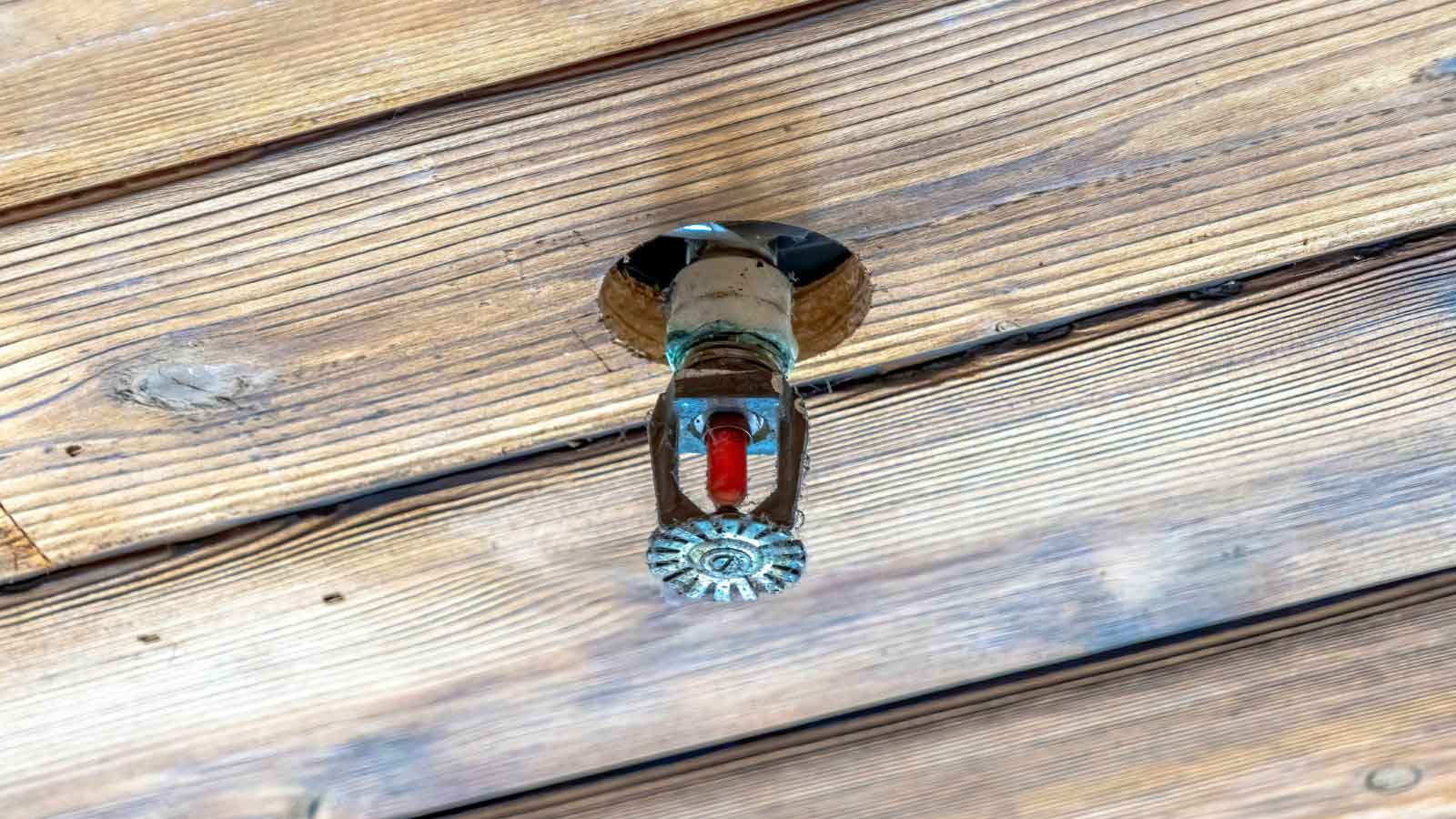
Sprinkler heads receive close attention during inspections. Technicians check for corrosion, physical damage, paint or dust accumulation, and proper orientation. They verify that ceiling tiles, light fixtures, or stored inventory don’t obstruct the spray pattern. Each head type has specific clearance requirements that inspectors confirm are met.
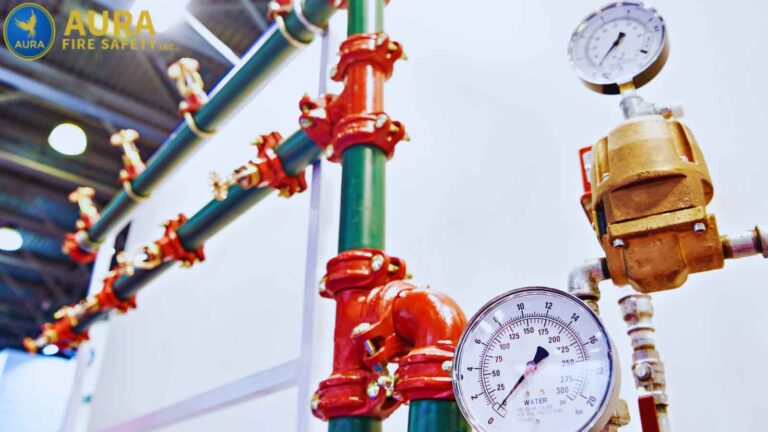
Control valves must be in the correct position (typically open) and secured with locks or tamper switches. Inspectors verify valve signage is present and legible. They examine gauges on risers, dry pipe valves, and fire department connections, confirming readings fall within normal ranges. Piping gets checked for leaks, external corrosion, or mechanical damage from building activities.
Inspection Frequencies by Component
NFPA 25 sets minimum intervals based on how quickly different components can develop problems:
- Gauges and control valves: Weekly or monthly
- Alarm devices: Quarterly
- Sprinkler heads and piping: Quarterly visual check, detailed annual review
- Hangers, bracing, and supports: Annually
- Spare sprinkler cabinet: Annually
Quarterly inspections cover accessible areas and high-priority items. Annual inspections involve a comprehensive examination of all fire sprinklers throughout the building, including areas that require ladder access or coordination with tenants.
The Inspection Report
Every inspection produces documentation noting system condition, deficiencies found, and recommended corrections. These reports serve multiple purposes:
- Demonstrate compliance with Authorities Having Jurisdiction (AHJs)
- Support Title 19 certification requirements
- Provide evidence for insurance carriers
- Create a maintenance history for the property
Detailed reports help property managers prioritize repairs and budget for upcoming work. They also protect building owners by establishing a record of due diligence.
ALSO READ: Common Fire Sprinkler Correction Issues and Solutions
What Fire Sprinkler Testing Involves
Testing moves beyond observation to verify actual system function. Technicians operate components under controlled conditions and measure results against established performance standards.
Waterflow and Alarm Verification
The waterflow test confirms your fire sprinkler system triggers alarms when activated. Technicians open the inspector’s test connection, allowing water to flow through the system at a rate simulating a single sprinkler discharge. This test measures:
- Time from water flow to local alarm activation (must occur within 90 seconds for wet systems)
- Signal transmission to the monitoring station
- The proper function of the mechanical water motor gongs was installed
If alarms don’t activate within required timeframes, the system needs repair regardless of how it looks during inspection.
Pressure and Supply Tests
Main drain tests evaluate water supply adequacy. Technicians fully open the main drain valve and record both static pressure (system at rest) and residual pressure (during flow). Comparing these readings to baseline measurements from the original acceptance test reveals changes in water supply that could affect firefighting capability.
For fire sprinkler systems using antifreeze solutions, annual concentration tests verify that freeze protection remains adequate. Dry pipe systems undergo trip tests every three years, confirming the dry valve opens correctly and fills piping with water within the required timeframes when a sprinkler activates.
Five-Year Comprehensive Testing
Extended-interval tests catch problems that develop slowly over years of service:
| Test | Purpose | Frequency |
| Internal pipe examination | Detect obstructions, corrosion, or foreign material inside piping | Every 5 years |
| Obstruction investigation | Required when the internal exam reveals a blockage | As needed |
| Main drain comparison | Compare the current flow to the original acceptance test | Every 5 years |
| Fire department connection | Verify proper function and accessibility | Every 5 years |
Internal pipe inspections are particularly revealing. Sediment accumulation, microbiologically influenced corrosion (MIC), or foreign objects can restrict water flow without any external indication. Only opening the system and examining pipe interiors exposes these hidden hazards.
How the Two Processes Work Together
Inspection and testing form complementary layers of verification. Neither alone provides complete assurance that your fire sprinkler system will perform during a fire.
Consider this scenario: An inspection finds all sprinkler heads in good condition, valves properly positioned, and gauges reading normally. The system appears ready. But during waterflow testing, the alarm fails to activate because a corroded switch contact prevents signal transmission. Visual inspection couldn’t detect this internal electrical failure.
The reverse also occurs. Testing confirms alarms activate promptly and water pressure meets standards. But an inspection reveals someone stacked boxes directly below three sprinkler heads in a storage room, blocking their discharge pattern. Testing alone wouldn’t catch this physical obstruction.
Fire sprinkler contractors who perform both services on the same visit can identify issues that span both categories. A gauge reading slightly low during inspection prompts immediate pressure testing to determine whether it indicates a supply problem or simply a faulty gauge.
ALSO READ: Emergency Fire Protection Services: How Aura Fire Safety Keeps You Safe
Compliance Requirements in California
California’s Title 19 regulations incorporate NFPA 25 requirements, making both inspection and testing mandatory for commercial and multi-unit residential properties.
What AHJs Expect
Local fire departments review maintenance records during annual inspections or permit renewals. They look for:
- Current inspection reports are at the required frequencies
- Test results documenting system performance
- Correction records showing deficiencies were addressed
- Credentials of the fire sprinkler contractors performing the work
Missing documentation can trigger violations even when systems are actually well-maintained. Some AHJs issue citations for incomplete records, requiring immediate correction before they’ll approve occupancy permits or license renewals.
Insurance and Liability Considerations
Insurance carriers increasingly require proof of ongoing fire protection services when underwriting commercial properties. They may request:
- Annual inspection reports
- Five-year test results
- Evidence that corrections were completed
- Contractor licensing information
Claims filed after fires may face scrutiny if maintenance records show gaps. Carriers have denied claims or reduced payouts when investigations reveal that required testing was overdue at the time of loss. Consistent maintenance documentation protects building owners from these disputes.
Building Your Maintenance Schedule
Coordinating inspection and testing activities efficiently reduces costs and ensures continuous compliance. Group activities where schedules align.
Quarterly activities:
- Visual inspection of accessible fire sprinklers and valves
- Waterflow alarm test
- Control valve position verification
Annual activities:
- Comprehensive inspection of all components
- Main drain test
- Alarm device functional test
- Spare sprinkler inventory check
Five-year activities:
- Internal pipe examination
- Extended main drain flow comparison
- Fire department connection test
- Dry valve trip test (if applicable)
Working with a single provider for all activities simplifies coordination. Aura Fire Safety maintains compliance calendars for Bay Area clients and sends advance reminders before required services come due. This prevents lapses and distributes costs predictably throughout the year.
For properties requiring fire sprinkler repairs after inspection or testing identifies problems, having the same contractor handle corrections eliminates scheduling delays and ensures repairs address the specific issues documented.
Schedule Your Inspection and Testing Today
Inspections reveal visible problems through systematic examination. Testing confirms actual performance through controlled operation. Together, they verify that your fire sprinkler systems will function when lives and property depend on them.
Aura Fire Safety has provided comprehensive fire sprinkler inspections and testing throughout the San Francisco Bay Area for over 27 years. Our team handles documentation, coordinates with local AHJs, and performs any required corrections. Contact us to schedule service or discuss a maintenance plan tailored to your property’s needs.