A fire sprinkler inspection at a restaurant follows the same NFPA 25 and California Title 19 requirements as any commercial building: quarterly checks of valves, gauges, and alarm devices; annual testing of all system components; and a 5-year inspection that includes internal pipe examination and full-flow testing. The difference is where inspectors focus. Grease-loaded sprinkler heads near cooking lines, obstructed storage areas, and blocked fire department connections in tight alleyways are all restaurant-specific concerns that come up repeatedly during inspections.
Bay Area restaurant owners also face scrutiny from both the SFFD and local health departments, either of which may flag fire protection issues during their own inspection cycles. On top of the building’s sprinkler system, restaurants with commercial cooking operations need a separate kitchen hood fire suppression system with its own semi-annual inspection under California law. Confusing one system for the other is one of the most common compliance mistakes, and both must be current to pass a fire sprinkler inspection and fire marshal visit.
Why Do Restaurants Have Unique Fire Sprinkler Requirements?
Restaurants present a fire risk profile that most commercial spaces don’t share. Open flames, deep fryers operating at 350-375°F, and grease accumulation on surfaces near cooking equipment all increase the likelihood of a fire starting and spreading quickly.
That risk translates into specific inspection concerns. Sprinkler heads located within a few feet of cooking equipment can accumulate a layer of grease over time, which acts as an insulator. A grease-coated head may not activate at the rated temperature because the coating prevents heat from reaching the fusible element or glass bulb quickly enough.
Restaurants with commercial cooking operations typically need two separate fire protection systems working in parallel. Wet pipe sprinkler systems protect dining rooms, hallways, offices, storage, and other non-cooking areas. Kitchen hood fire suppression systems protect the cooking line itself, using wet chemical agents designed to suppress grease fires that water alone cannot control.
Both the San Francisco Fire Department and local health departments may inspect fire protection systems at different points during a restaurant’s operating life. A fire marshal inspection looks at the building’s sprinkler system, hood suppression system, alarm panel, and egress. Health department inspections may flag fire safety issues that trigger a referral to the fire department. For restaurant owners, keeping both systems current prevents a failed inspection from one agency from cascading into problems with the other.
What Gets Inspected in a Restaurant Fire Sprinkler System?
A restaurant fire sprinkler inspection covers the same components as any commercial building inspection. The technician visually checks sprinkler heads for damage, corrosion, paint, and loading (including grease). Control valves are verified in the open position and properly supervised. The inspector’s test connection is used to confirm that flow switches and alarms activate correctly.
Beyond the standard checklist, restaurant inspections put extra scrutiny on a few areas:
- Sprinkler heads near cooking equipment. Heads within proximity of fryers, grills, and ranges are examined closely for grease buildup. Grease loading on a sprinkler head is a deficiency that requires correction, either through cleaning or head replacement, depending on severity.
- Storage and prep area clearance. NFPA 25 requires a minimum of 18 inches of clearance below sprinkler heads. In restaurant dry storage rooms and walk-in coolers, shelving and stacked goods frequently violate this clearance.
- Fire department connection (FDC) accessibility. Many restaurant FDCs are located in alleys or side passages where dumpsters, delivery pallets, and parked vehicles block access. An obstructed FDC is a deficiency every time.
- Valve positions and signage. Control valves for restaurant sprinkler systems must be visible, accessible, and clearly marked. Renovations or tenant improvements sometimes relocate or conceal valves behind new walls or equipment.
It is worth understanding what a sprinkler inspection does and does not cover. The table below clarifies the line between a sprinkler inspection and a kitchen hood inspection, which are two separate services governed by different standards.
| Fire Sprinkler Inspection | Kitchen Hood Inspection | |
| What It Covers | Sprinkler heads, piping, control valves, alarm devices, FDC, main drain | Hood, ductwork, nozzles, wet chemical agent, fusible links, gas shutoff, manual pull station |
| Governing Standard | NFPA 25 / California Title 19 | NFPA 17A, NFPA 96 / UL 300 |
| Frequency | Quarterly checks; annual testing; 5-year full-flow and internal pipe inspection | Semi-annual (every 6 months in California) |
| Agent Type | Water | Wet chemical (potassium-based) |
| Protects | Dining room, storage, hallways, offices, restrooms, all non-cooking areas | Cooking line, hood, exhaust ductwork |
| Who Performs It | Licensed fire protection contractor (C-16) | Licensed fire protection contractor (C-16) |
How Do Fire Sprinkler and Kitchen Hood Inspections Differ?
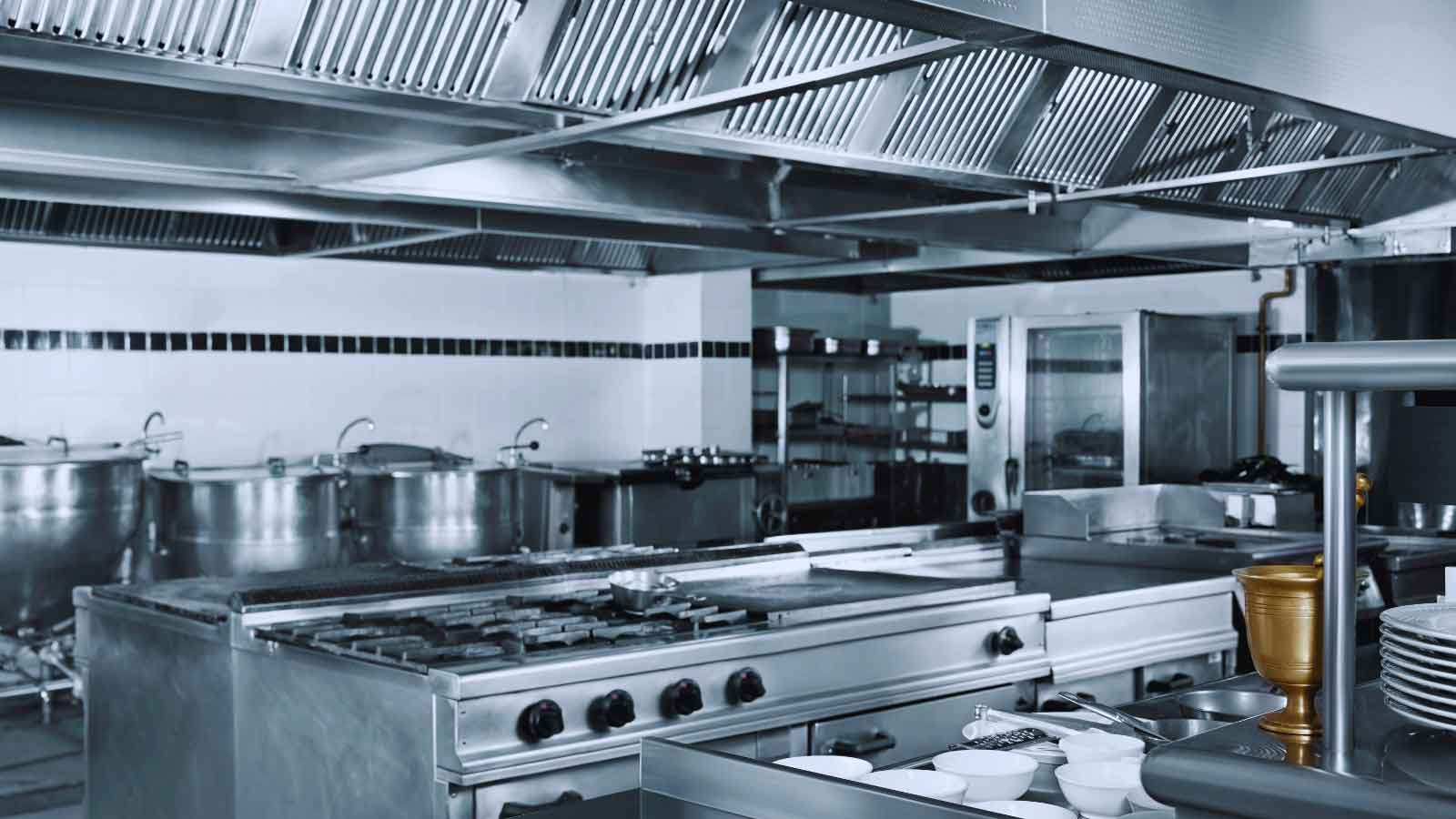
The sprinkler system and the kitchen hood suppression system protect different parts of the same restaurant, and they operate on completely different schedules and standards. Understanding the distinction prevents a common mistake: assuming that one inspection covers both systems.
A fire sprinkler inspection under NFPA 25 evaluates the water-based system that protects the entire building. This inspection runs on a quarterly, annual, and 5-year cycle. Quarterly checks cover control valve positions, gauge readings, and waterflow alarm verification. The annual inspection includes functional testing of all alarm devices, a main drain test, valve operation checks, and a visual inspection of every sprinkler head from floor level. The 5-year certification involves internal pipe inspections and full-flow testing.
A kitchen hood fire suppression inspection is a completely separate service governed by NFPA 17A and NFPA 96. California requires semi-annual inspections, meaning every 6 months. During a hood inspection, the technician checks nozzle positioning and clearance relative to cooking appliances, verifies the wet chemical agent cylinder weight and pressure, tests fusible links, confirms that the system’s automatic gas or electric shutoff activates correctly, and inspects the manual pull station. After a successful inspection, the system receives a certification tag with the next due date.
These two inspections are not interchangeable. A current sprinkler inspection does not satisfy the kitchen hood requirement, and a current hood certification does not cover the building’s sprinkler system. Restaurants need both.
One scheduling advantage: a fire protection contractor that handles both systems can coordinate the visits. Aura Fire Safety inspects sprinkler systems and performs semi-annual kitchen hood fire system service, which means a single vendor manages both inspection timelines. This reduces the coordination burden for restaurant owners who would otherwise track separate contractors and separate due dates. To understand how long an Ansul fire system service takes, most semi-annual hood inspections are completed in under two hours depending on the number of appliances and nozzles in the system.
What Are Common Sprinkler Deficiencies Found in Restaurants?
Restaurant sprinkler systems tend to fail inspections for a predictable set of reasons, most of which stem from the cooking environment and the way kitchens use their storage space.
- Grease-loaded sprinkler heads. This is the single most common restaurant-specific deficiency. Sprinkler heads near cooking areas collect airborne grease over months of operation. A light film may be cleaned, but heavy buildup typically requires head replacement. During quarterly checks, inspectors flag heads that show visible accumulation.
- Insufficient clearance below heads. The 18-inch clearance rule under NFPA 25 exists to allow water to distribute properly when a head activates. In restaurant dry storage rooms, walk-in coolers, and prep areas, shelving is often pushed up too close to the ceiling. Stacked boxes of supplies or cases of product on top shelves are a frequent offender.
- Painted or corroded heads. Restaurant renovations sometimes result in sprinkler heads getting painted over during ceiling work. A painted head may not activate at the correct temperature. Corrosion is more common in older restaurant spaces, particularly near steam-producing equipment like dishwashers and steam tables.
- Blocked fire department connections. Restaurant FDCs are often located in alleys or loading areas shared with dumpsters and delivery vehicles. On inspection day, a blocked FDC is a deficiency. Make sure dumpsters, pallets, and parked vehicles are cleared before the inspector arrives.
- Missing or illegible valve signage. After tenant improvements or kitchen remodels, control valve locations may change. If valve tags are missing, damaged, or unreadable, the inspector will note it. This is a straightforward correction but one that gets overlooked.
What Bay Area Restaurant Owners Need to Know About Local Requirements
San Francisco Fire Department (SFFD) inspections are conducted by fire inspectors assigned to the district where the restaurant is located. The inspector reviews the building’s fire protection systems, egress paths, occupancy loads, and documentation. Having a current sprinkler inspection report and a current kitchen hood certification tag on file before the fire marshal visit significantly reduces the chance of violations.
For restaurant buildouts and tenant improvements that modify sprinkler coverage, permit applications go through the SFFD Bureau of Fire Prevention. Any change to the cooking line layout, addition of new cooking equipment, or alteration to the hood and duct system may require adjustments to both the sprinkler system and the kitchen hood suppression system. Building plans must show updated sprinkler head placement and hood nozzle coverage for the new configuration.
Health department inspectors may reference fire protection compliance during their own inspections. A restaurant with an expired kitchen hood certification or an overdue sprinkler inspection may receive a referral to the fire department, triggering a separate inspection cycle and potential penalties.
Pre-opening kitchen hood readiness checklist:
Before a new restaurant opens or after a major kitchen renovation, verify these items prior to your first hood inspection:
- Nozzle positions are adjusted to align with the current cooking appliance layout
- Clearance between nozzles and cooking surfaces matches manufacturer specifications
- The gas shutoff valve is accessible and functioning correctly
- The manual pull station is mounted in a visible, unobstructed location away from cooking equipment
- The wet chemical agent cylinder is charged and within its service date
- Fusible links are installed and rated for the correct activation temperature
- The exhaust fan interlocks with the suppression system correctly
Schedule kitchen hood inspections during off-peak hours. If a technician arrives during a busy lunch or dinner service and the kitchen cannot be taken offline briefly for testing, the visit may need to be rescheduled. A missed or delayed inspection can push the certification past its due date, which creates compliance exposure if the fire marshal visits in the interim.
Not sure if your restaurant’s sprinkler system or kitchen hood suppression system is due for inspection? Aura Fire Safety handles both services across the Bay Area and can coordinate your inspection schedule so nothing falls through the cracks. Contact our team to get your next inspection on the calendar.
Frequently Asked Questions
How often do restaurant sprinkler systems need inspection?
Restaurant sprinkler systems follow the same NFPA 25 schedule as other commercial buildings. Quarterly checks cover control valve positions, gauge readings, and waterflow alarm verification. Annual inspections include functional testing of all system components and a visual inspection of every sprinkler head. The 5-year certification adds internal pipe examination and full-flow testing.
Is the kitchen hood inspection the same as the sprinkler inspection?
No. These are two separate inspections governed by different NFPA standards. The sprinkler inspection covers the building’s water-based suppression system under NFPA 25. The kitchen hood inspection covers the wet chemical suppression system protecting the cooking line under NFPA 17A and NFPA 96. Both must be current for a restaurant to be fully compliant.
What happens if my restaurant fails a sprinkler inspection?
The inspection company provides a deficiency report listing each issue found. Common corrections include replacing grease-loaded or corroded sprinkler heads, restoring 18-inch clearance below heads in storage areas, and clearing obstructions from the fire department connection. The restaurant has a defined window to complete corrections before a re-inspection. Operating with uncorrected deficiencies puts the restaurant at risk during a fire marshal visit.
Can one company handle both sprinkler and kitchen hood inspections?
Yes, if the company holds the appropriate C-16 fire protection contractor license. Aura Fire Safety performs both fire sprinkler inspections and semi-annual kitchen hood fire suppression inspections across the Bay Area. Using a single contractor simplifies scheduling and prevents gaps in compliance when inspection cycles overlap.
Do food trucks need fire sprinkler inspections?
Food trucks are not equipped with fire sprinkler systems, so no sprinkler inspection applies. Food trucks with commercial cooking equipment do need a kitchen hood fire suppression system, which requires its own semi-annual inspection. Requirements vary by jurisdiction, so food truck operators should check with their local fire department for specific compliance rules.
When should I schedule my kitchen hood inspection to minimize disruption?
Schedule hood inspections during off-peak hours or on days when the kitchen is closed. The technician will need to briefly access cooking equipment, test the manual pull station, and verify gas shutoff functionality. If the kitchen is in full operation, the inspection may need to be rescheduled. Planning ahead avoids the risk of pushing past the 6-month certification deadline.