

Fire alarm technology has evolved significantly over the past decades, creating a clear divide between conventional and addressable systems. Understanding these differences helps property managers, building owners, and HOA managers make informed decisions about their fire alarm systems and fire protection services. Choosing between maintaining an older conventional system or upgrading to addressable technology affects detection speed, maintenance costs, and overall building safety across all property types.
Core Technology and Communication Differences
The fundamental difference between conventional and addressable systems goes beyond just their wiring; it’s about how they communicate and process information. This distinction impacts everything, including emergency response times, certified fire alarm system procedures, and long-term operational costs in multi-unit residential buildings, commercial spaces, and mixed-use developments.
Conventional Fire Alarm Systems
Conventional systems are traditional, zone-based technology commonly found in older buildings. They remain suitable for smaller properties with straightforward layouts, such as small offices, retail shops, or single-story facilities. However, their core technology can present significant challenges in larger or more complex buildings.
How They Work
In conventional systems, multiple detectors and manual call points are wired together into single-zone circuits. Each zone typically covers groups of rooms or areas. In residential settings, zones may cover entire floors, while commercial systems often organize zones by departments or sections. During device activation, the fire alarm control panel indicates which zone has an issue, but it cannot identify the specific device. The panel might display “Zone 3” or “Second Floor Zone,” but it cannot tell you exactly which detector within that zone activated.
This lack of specific device information creates the primary limitation during emergencies. Emergency responders must physically search all devices within the activated zone to locate the source of the alarm, which can significantly extend response time, especially in large buildings with complex layouts.
Communication Challenges
Conventional systems often struggle with aging wiring, corroded connections, and outdated communication protocols that are susceptible to distance or electromagnetic interference. These issues make them susceptible to inconsistent device responses or recurring panel errors. During inspections, these communication problems require additional troubleshooting, adding to maintenance time and costs. The analog signals used in conventional systems can degrade over time, particularly in older buildings, resulting in missed alarms or false readings.
Advantages
Lower upfront costs make conventional systems attractive for smaller properties. The equipment and panels are generally less expensive than addressable alternatives. Their straightforward design makes them relatively easy to operate and maintain for basic applications, requiring less specialized technical knowledge for routine operations.
Disadvantages
Limited location information creates the most significant operational challenge. This drawback becomes particularly problematic during emergencies when every second counts. Installation costs increase substantially in larger buildings because each zone requires separate wiring back to the control panel, making the infrastructure more complex and expensive. Reliability issues arise as hardware ages and communication protocols become outdated, leading to more frequent maintenance requirements and potential system faults.
Addressable Fire Alarm Systems
Addressable fire alarm systems represent advanced technology and are the preferred choice for larger, more complex buildings like hospitals, schools, and multi-story commercial properties where precise location information is critical for effective emergency response.
How They Work
In addressable systems, each device has a unique digital “address” or identifier. All devices are connected via communication loops rather than separate zone circuits. During activation, devices send digital signals with their specific addresses to the control panel, allowing it to display not just a zone but the exact device and its programmed location description. For example, instead of showing “Zone 3,” the panel might display specific information identifying the same detector and its location within the building.
This precise identification capability transforms emergency response by providing exact alarm locations and real-time device status information. Fire departments receive specific details about which smoke detector or heat sensor triggered the alarm, allowing them to deploy resources more effectively and locate fire sources quickly.
Communication Advantages
Addressable systems utilize robust digital protocols that are far more resistant to interference than conventional analog systems. They provide real-time monitoring and error-checking capabilities, which prove invaluable during both routine operations and emergencies. Fire departments can track the system’s status and specific device locations throughout an emergency, allowing for more effective tactical decisions and resource allocation. This real-time feedback also simplifies routine inspections and maintenance by pinpointing faults immediately rather than requiring extensive manual testing.
Advantages
Addressable systems offer significant benefits by providing precise device identification, which allows emergency responders to go directly to the alarm source. This is invaluable in large or complex buildings, where it can save critical minutes. These systems also offer predictive maintenance by constantly monitoring each device, identifying potential problems before they lead to system failures or false alarms.
The flexibility of addressable systems makes it easy to add or reconfigure devices without extensive rewiring. Their ability to analyze environmental conditions helps reduce false alarms, and they can integrate with other building safety systems, like sprinklers and emergency lighting, for a comprehensive, coordinated response.
Disadvantages
The higher initial costs reflect the advanced technology, resulting in greater equipment and programming expenses compared to conventional systems. The complexity of setup and configuration requires specialized technicians for installation, programming, and repair, which can increase both initial installation costs and ongoing maintenance expenses.
ALSO READ: Common Fire Alarm Correction Issues and How We Fix Them
Key Upgrade Indicators
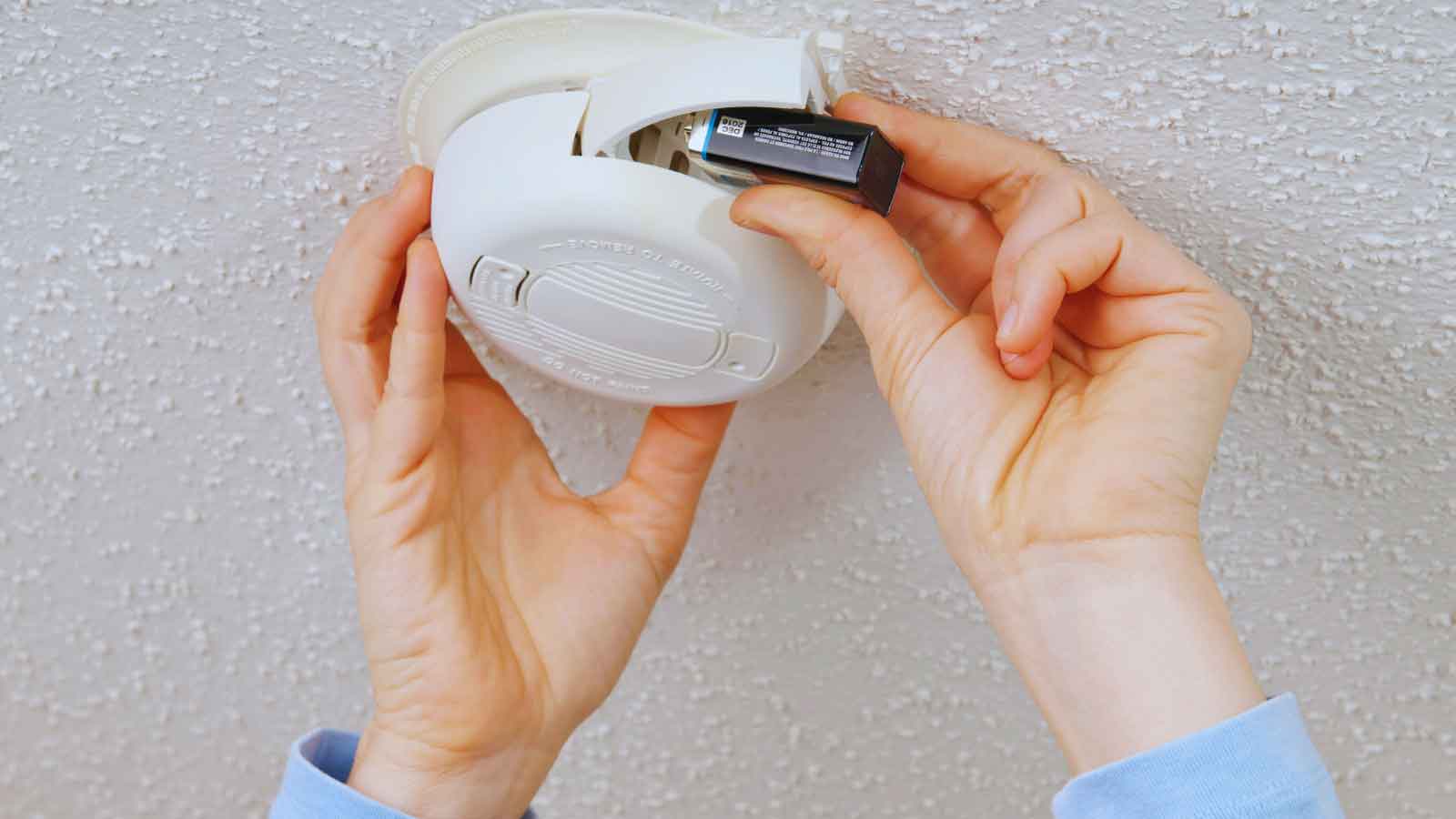
Several warning signs indicate when your fire alarm system needs attention. Understanding these indicators helps property owners make informed decisions about system upgrades. Here’s what to watch for and how each system type handles these challenges differently.
When Conventional Systems Show Their Age
Aging conventional systems present several key problems. Frequent false alarms are a common issue, as older detectors become overly sensitive to environmental factors, which can lead to occupant complacency and create serious safety risks. Communication failures are also a concern, caused by aging wiring and outdated protocols that result in delayed responses and inaccurate status reports. Finally, finding compatible replacement parts becomes increasingly difficult as manufacturers discontinue older models, often forcing costly and disruptive full-zone replacements instead of simple device swaps.
How Addressable Systems Solve These Problems
Addressable systems use advanced technology to solve common fire detection issues. They significantly reduce false alarms with sophisticated environmental analysis that can differentiate real threats from factors like dust or humidity. Their digital communication protocols resist interference and include error checking for reliable signal transmission, even in complex electrical environments. The use of standardized components with broad manufacturer support also ensures long-term parts availability, reducing the risk of system failures due to obsolete equipment.
Enhanced Emergency Response and Maintenance Benefits
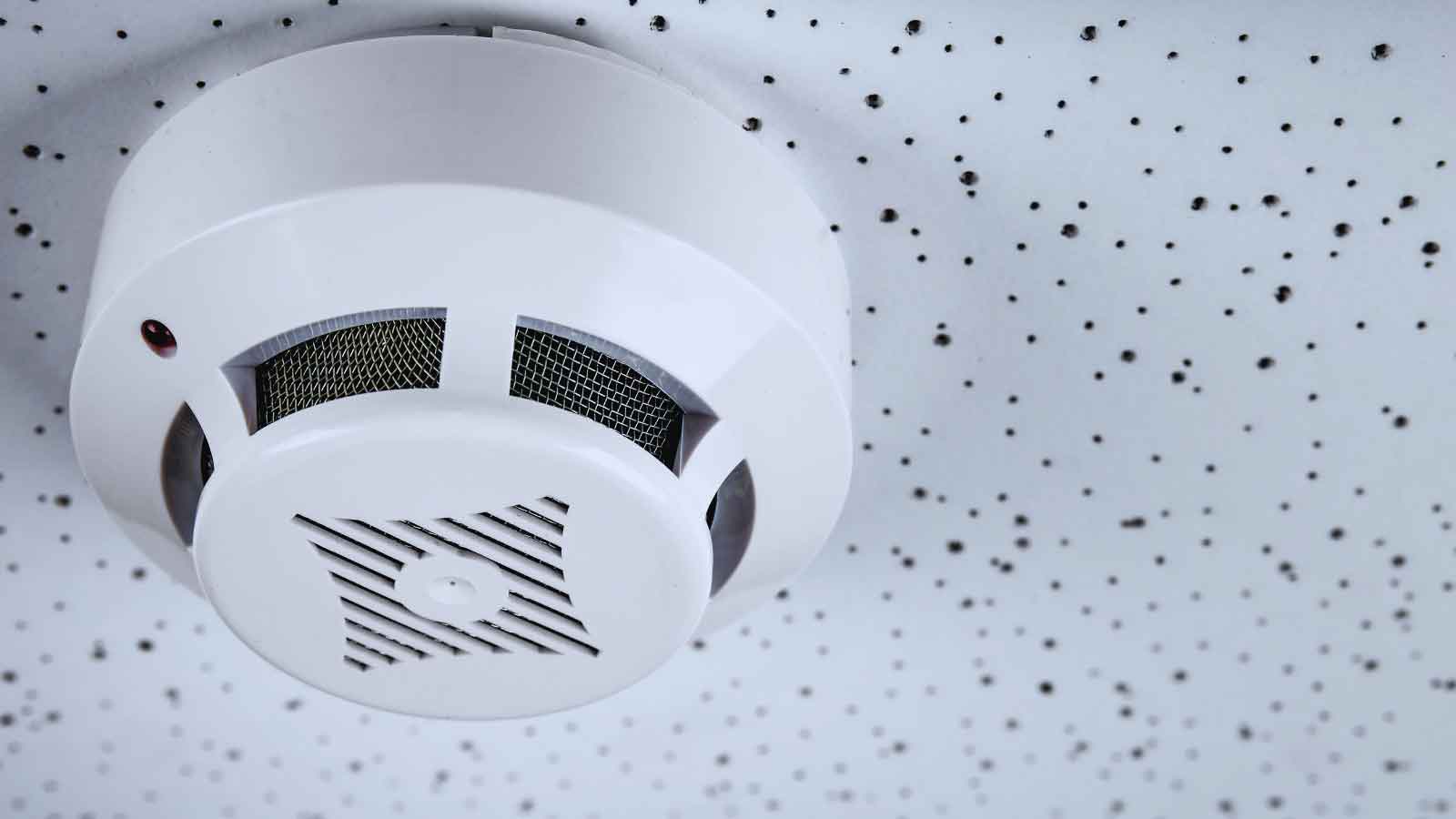
Upgrading conventional to addressable fire alarm systems provides immediate operational benefits and long-term cost savings that justify the initial investment. Enhanced detection capabilities and precise device identification improve emergency response effectiveness while reducing false alarm incidents that disrupt building operations and create unnecessary expenses.
The precision of addressable systems transforms emergency response by providing exact alarm locations and real-time device status information throughout emergency operations. This capability becomes particularly valuable in large commercial buildings, multi-story structures, or facilities with complex layouts where zone-based identification provides insufficient information for effective emergency response.
Predictive Maintenance Advantages
Addressable systems continuously monitor the health of devices, wiring, and power supply. This proactive diagnostic capability provides early warnings of potential problems, simplifying maintenance and helping facility managers budget for future replacements. By identifying issues before they cause failures, these systems reduce emergency service calls, extend equipment life, and minimize unexpected downtime.
Professional Design and Installation Services
Successful fire alarm design and installation require expertise to meet complex code standards and building requirements. Professionals assess your existing infrastructure to create a comprehensive strategy that complies with NFPA 72 standards. Following this, certified technicians ensure proper installation, programming, and rigorous testing to verify the system’s functionality and guarantee reliable operation and code compliance.
ALSO READ: Common Fire Alarm Inspection Failures and How to Fix Them
Working with Fire Protection Experts
Selecting qualified fire protection services ensures professional system evaluation, appropriate technology selection, and compliant installation procedures. Think of it as getting a second opinion on something that protects your most valuable assets.
Professional evaluation includes a comprehensive assessment of existing infrastructure, identification of upgrade requirements, and development of cost-effective solutions that meet current protection standards. Expert guidance ensures proper technology selection based on building characteristics, occupancy requirements, and budget considerations while maintaining compliance with fire safety regulations.
Aura Fire Safety provides comprehensive fire alarm design, installation, and inspection services throughout the San Francisco Bay Area for both residential and commercial properties. Our specialists evaluate existing systems, recommend appropriate upgrades, and provide complete solutions tailored to each building’s specific requirements. Contact Aura Fire Safety today to discuss your fire alarm system needs and schedule a professional evaluation of your current fire protection infrastructure.