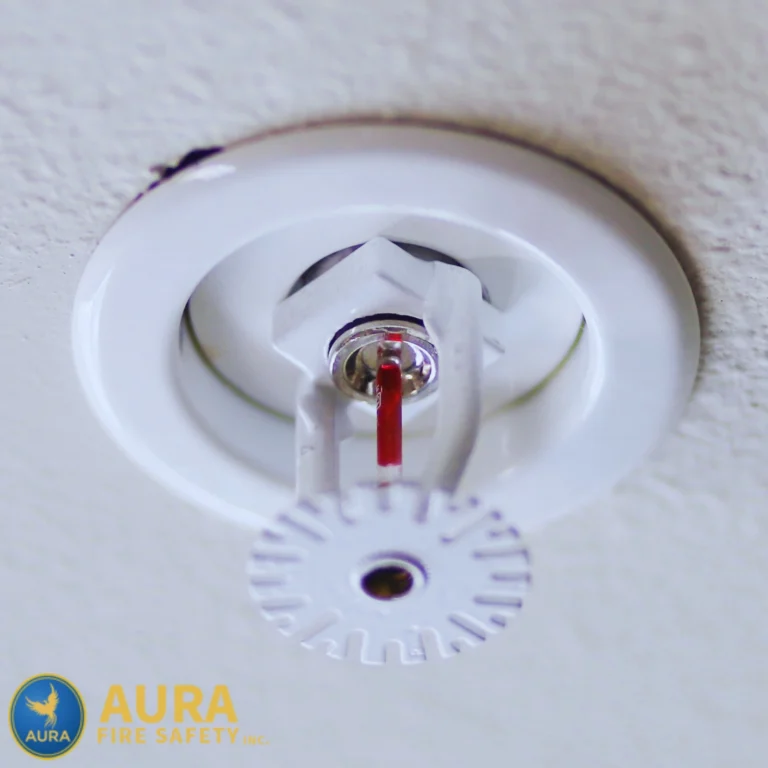
Fire sprinklers are designed to activate quickly and suppress fires before they spread, but like any mechanical system, they can fail if components are damaged, blocked, or not in compliance. Most failures are preventable and often stem from missed inspections, unauthorized changes, or lack of maintenance.
For property managers, building owners, and facility teams, staying on top of these correction issues helps maintain code compliance and keeps your system inspection-ready and reliable. This comprehensive guide examines the most frequent problems that trigger fire sprinkler corrections, their root causes, and proven solutions through professional service and compliance measures. Mastering these challenges ensures your system remains operational and emergency-ready.
Most Common Sprinkler Failures Explained
Fire sprinkler systems are designed to function automatically under emergency conditions, but they can still fail, often due to preventable factors. When a system fails to activate during a fire, it’s rarely due to a design flaw.
In most cases, the issue stems from human oversight, skipped maintenance, or changes made without proper system testing. Understanding what typically goes wrong is the first step to ensuring your system responds as it should.
What causes most sprinkler failures?
The majority of fire sprinkler system failures originate from preventable mechanical or maintenance-related issues. A closed control valve represents the primary cause, frequently left shut following maintenance or testing procedures. If not properly reopened and verified, it disables the entire system. Additional contributing factors include internal corrosion, pipe leaks, and blocked or painted-over sprinkler heads.
Corrosion creates buildup that restricts flow or leads to pipe rupture, while obstructed sprinkler heads completely prevent water discharge. These conditions develop gradually and often go undetected without regular inspections. System failures also result from worn components like cracked seals or untested valves, which compromise system responsiveness. Without consistent servicing, these issues compromise performance and affect system reliability.
What makes systems inoperative during fires?
A sprinkler system may appear functional but fail to activate when needed if key components are impaired. Common causes include closed valves, improperly pressurized systems, blocked sprinkler heads, or corrosion that disrupts flow. Disconnections between the sprinkler and fire alarm systems can also prevent proper communication and delay response.
Routine inspections are critical to identifying these issues before they lead to system failure. By verifying valve positions, testing pressure, checking communication tie-ins, and assessing each component’s condition, technicians can ensure the system performs reliably during an actual fire event.
Mechanical Issues That Need Correction
Sprinkler systems operate under constant pressure and are exposed to various conditions that can cause wear over time. Water quality, temperature fluctuations, and material aging all contribute to mechanical problems. While some issues are easy to spot, many develop slowly and remain hidden until they cause system failure or trigger correction notices during inspection.
Leaks, corrosion, and pipe damage
Leaks, rust-colored water, or persistent moisture are often signs of deeper pipe damage. These issues typically result from internal corrosion or joint failure and are more common in older systems. If left unaddressed, they can cause reduced water flow, pipe rupture, or trigger false system activations.
Targeted repairs and early intervention are the most effective ways to prevent water damage and restore full system performance. Regular fire sprinkler inspections help identify vulnerable piping and allow for timely maintenance before failures escalate.
Faulty sprinkler heads and seals
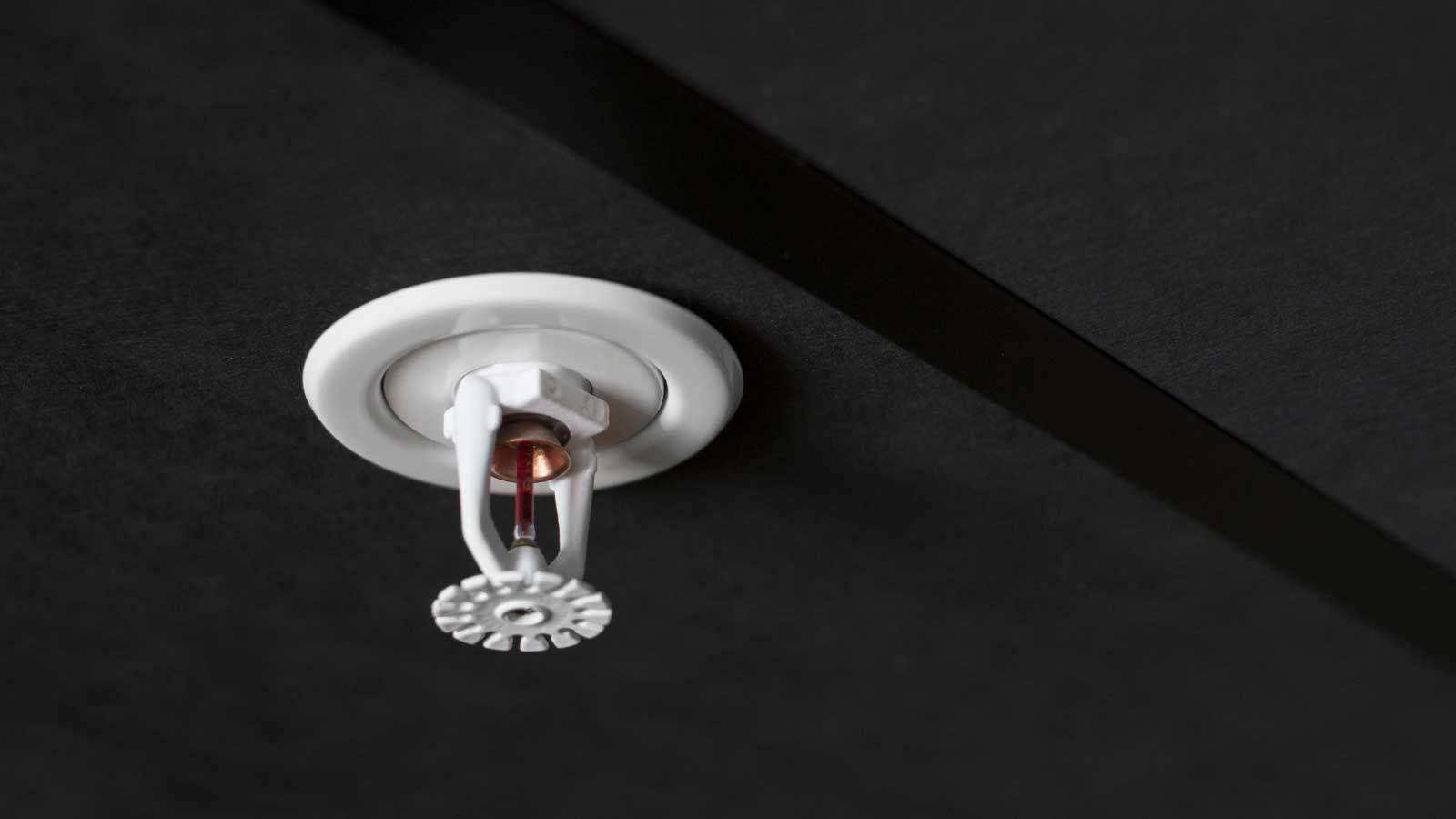
Sprinkler heads are vulnerable to corrosion, dust buildup, physical impact, and improper painting. Even slight damage or environmental exposure can prevent proper activation. Over time, rubber seals inside the heads can also deteriorate, causing leaks or failure to discharge during a fire.
Routine visual checks and pressure testing help identify faulty heads before they compromise performance. When problems are identified, replacing the affected heads and seals immediately is crucial to maintaining a reliable and compliant fire sprinkler system.
Valve and Pressure System Failures
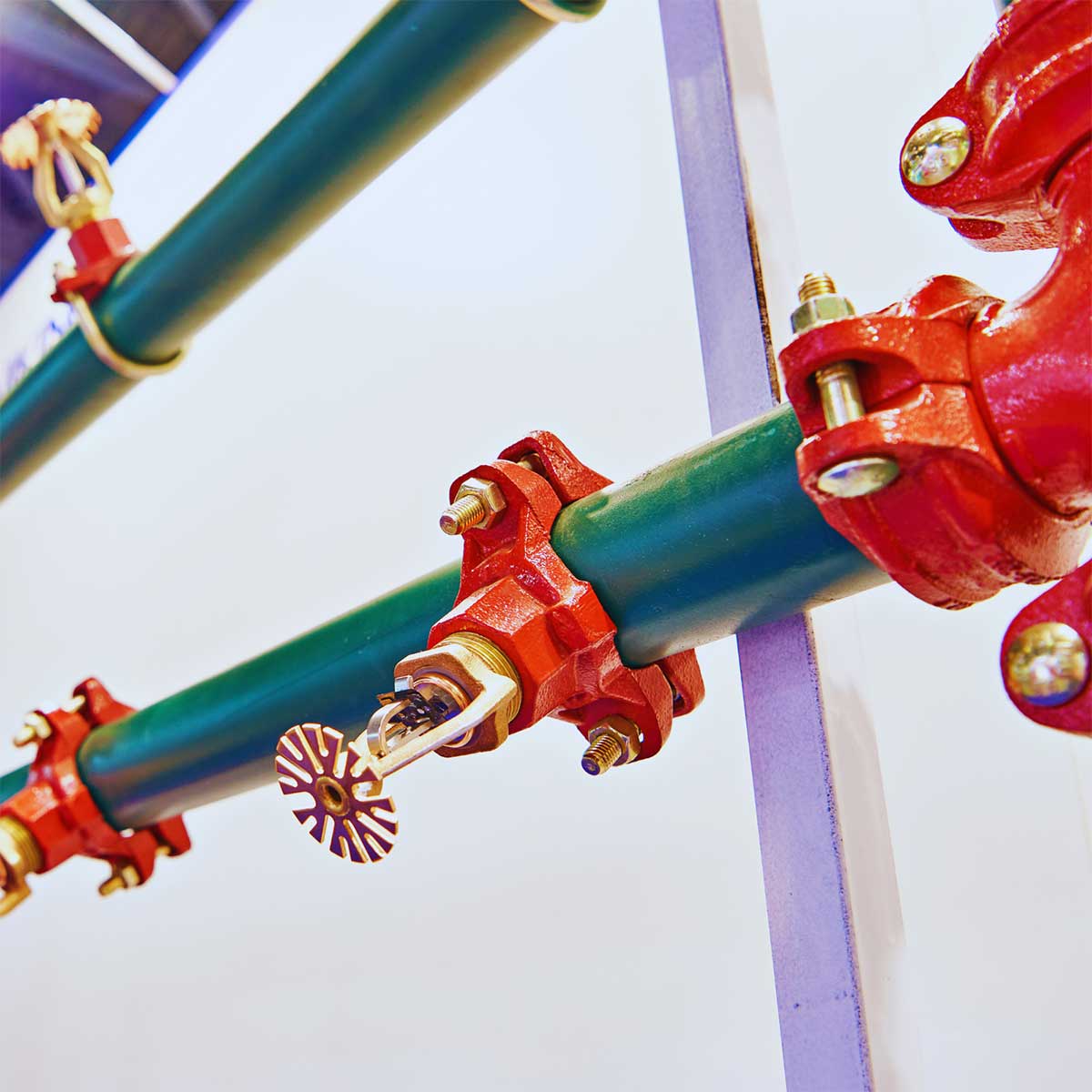
Control valves and water pressure regulators are essential to the operation of any fire sprinkler system. If these components fail or are not set correctly, the system may not deliver water during a fire. These issues are common causes of correction notices and failed inspections.
Malfunctioning or closed control valves
Control valves manage the flow of water throughout the system and must remain open to allow activation. When a valve is left closed due to poor labeling, maintenance oversight, or lack of testing, the system becomes non-functional. Tamper switches are designed to detect this condition, but they only function properly if they are installed and maintained correctly.
Accurate labeling, clear tagging, and routine testing are critical. Verifying that all valves are open and operable during each fire sprinkler inspection is one of the most critical steps in ensuring system readiness.
Water pressure and flow imbalances
Water pressure must be within a specific range for fire sprinklers to activate correctly and provide adequate coverage. Low pressure can delay the system’s response or limit spray reach. Excessively high pressure can cause accidental discharges or damage sprinkler components.
These problems often result from aging infrastructure, poor fire sprinkler design, or malfunctioning equipment such as pumps and regulators. Pressure testing, flow measurement, and proper adjustment of standpipes and backflow prevention assemblies are necessary to restore balance and maintain compliance.
Obstructions and System Impairments
Sprinkler systems must stay clean, accessible, and fully intact to function as designed. In real-world settings, however, interference is common. Obstructions may result from environmental factors, ongoing maintenance work, or improper alterations.
What is the most common obstruction?
The most frequent obstruction is internal buildup inside the pipes. This may include rust particles, sediment, microbial growth, or foreign materials entering through neglected connections. These blockages can reduce water flow or completely block discharge during activation.
In areas such as commercial kitchens and storage facilities, grease, dust, and airborne particles can accumulate on sprinkler heads. Painted or taped-over heads are another common violation seen during inspections. Any of these can stop water from releasing, making the sprinkler ineffective when triggered.
What impairs sprinklers during fires?
One of the most overlooked issues is disconnection between sprinkler monitoring devices and the fire alarm panel. When waterflow switches or tamper switches are disconnected, sprinklers will still activate during a fire, but the building fire alarm system won’t receive notification. This prevents building-wide alarms, automatic notification to the fire department, and coordination with ventilation shutoffs or elevator recalls. These disconnections often result from unapproved work or poor system integration during renovations.
The most critical impairments that actually prevent sprinkler operation include tied-off or painted sprinkler heads, main water supply valves left in the closed position, and blocked or obstructed sprinkler heads. Additional issues include frozen pipes in unheated areas, debris in sprinkler lines, and inadequate water pressure or supply.
These impairments are easily missed without regular inspection and can completely compromise system effectiveness when needed most. Our inspections identify both operational impairments and monitoring disconnections to ensure full system functionality and proper emergency coordination.
How Issues Are Resolved Professionally
Identifying problems is only the first step. Resolving them correctly, in line with code requirements, and with clear documentation, ensures long-term system reliability, safety, and compliance.
Inspection, repair, and Title 19 fixes
When a system fails an inspection, multiple correction points are often involved. These can include replacing sprinkler heads, reopening closed valves, fixing leaks, updating signage, or adjusting system pressure. Every correction must be documented and verified for code compliance.
Corrections may also involve clearing obstructions, restoring tamper safeguards, or repairing improperly installed components from past modifications. All of these tasks are performed by licensed professionals familiar with NFPA 25 standards and California’s Title 19 requirements.
Once corrections are completed, the system is re-inspected, and final documentation is submitted to the building owner . Timely correction helps avoid reinspection fees and ensures that the building remains compliant, insurable, and ready for use.
Working with AHJs and documentation
Corrections may involve coordination with the Authority Having Jurisdiction (AHJ), especially in cases of documented code violations. Effective communication and accurate reporting are crucial to resolving any open violations with your local jurisdiction
Professionals manage all required documentation, maintain contact with the AHJ, and confirm that each correction is reviewed and accepted before final sign-off. These records also support insurance requirements, compliance audits, and future system upgrades.
ALSO READ: Is Your Sprinkler System Really Compliant? NFPA 25 Inspections Done Right
Why Choose Aura Fire Safety for Corrections
With 28 years of experience, Aura Fire Safety is the trusted partner for fire sprinkler services across the San Francisco Bay Area. We work with building owners, property managers, HOAs, and contractors to ensure every correction is handled correctly, efficiently, and in full compliance with local and state fire codes.
Our team manages the entire process, from identifying issues during inspection to completing code-required repairs and securing sign-off from the Authority Having Jurisdiction. Every service is delivered with precision, clear communication, and detailed documentation that meets both regulatory and insurance requirements.
What We Offer
- Complete inspection-to-correction support managed entirely in-house.
- Specialized expertise in Title 19 corrections and local AHJ coordination
- Transparent pricing with no surprise fees or change orders
- Rapid scheduling and responsive communication at every step
- Licensed professionals for both commercial and residential fire sprinkler systems
Corrections are not just about passing inspection. They are about protecting lives, minimizing liability, and keeping buildings ready for emergencies. We treat every sprinkler system like critical safety infrastructure because it is.
Need to resolve fire sprinkler issues or pass your next inspection?
Schedule a service or speak with our team today to get started.