Fire inspections verify that your building’s life-safety systems will function during an emergency. Yet many property managers and building owners encounter the same deficiencies year after year, leading to failed inspections, costly re-inspections, and unnecessary stress. Working with a reliable fire protection company helps you identify and resolve these problems before the inspector arrives.
This guide breaks down the five most common fire inspection failures and provides practical solutions for each. Understanding these common issues puts you in control of your building’s compliance status and keeps your occupants protected.
Why Fire Inspections Fail (And Why It Matters)
Fire inspections exist to confirm that sprinkler systems, alarms, and suppression equipment meet California Fire Code and NFPA standards. When systems fail inspection, the Authority Having Jurisdiction (AHJ) issues a deficiency notice requiring corrections within a specific timeframe. Missed deadlines can result in fines, increased insurance premiums, and potential liability exposure.
The good news is that most inspection failures stem from preventable issues. Regular maintenance and a proactive approach to fire protection eliminate the majority of problems before they become official violations. Below are the five most common failures fire protection contractors encounter during inspections.
The 5 Most Common Fire Inspection Failures
These five deficiencies account for the majority of failed inspections across commercial and multi-unit residential properties. Each one has a straightforward solution when addressed promptly by qualified professionals.
1. Obstructed or Damaged Fire Sprinkler Heads
Sprinkler head obstructions rank among the top reasons for failed fire sprinkler inspections. NFPA 25 requires a minimum 18-inch clearance below all sprinkler heads to ensure proper water distribution during activation. Stacked storage, hanging decorations, and structural additions frequently violate this requirement.
Physical damage presents another common problem. Sprinkler heads that have been painted over, corroded, or bent will not activate correctly. Missing escutcheon rings (the decorative plates around sprinkler heads) also trigger inspection failures because they indicate improper sealing at the ceiling penetration.
How to fix it:
| Issue | Solution |
| Storage within 18 inches of heads | Enforce clearance policies with tenants and staff |
| Painted-over sprinklers | Replace affected heads with matching models |
| Corroded or damaged heads | Schedule a professional replacement |
| Missing escutcheons | Install the correct size and type for each head |
Regular visual inspections by your maintenance team catch these issues early. For head replacements and corrections, a licensed fire protection service provider ensures the work meets code requirements.
2. Fire Alarm System Malfunctions
Fire alarm inspection failures often stem from device malfunctions and communication errors. Dead batteries in smoke detectors and notification devices are the leading cause of failed inspections. Pull stations that stick or fail to reset properly also appear frequently on deficiency reports.
Panel communication errors present a more complex challenge. When the fire alarm panel cannot communicate with the monitoring station or individual devices, the entire system’s reliability comes into question. Wiring faults, damaged devices, and software glitches all contribute to these failures.
How to fix it:
- Replace batteries on a scheduled rotation (typically annually for most devices)
- Test all pull stations and notification devices quarterly
- Address trouble signals on the panel immediately rather than silencing them
- Schedule professional functional testing before your annual inspection
- Proactive maintenance eliminates most alarm-related failures. For persistent issues, review our guide on common fire alarm correction issues and how we fix them.
3. Missing or Expired Documentation
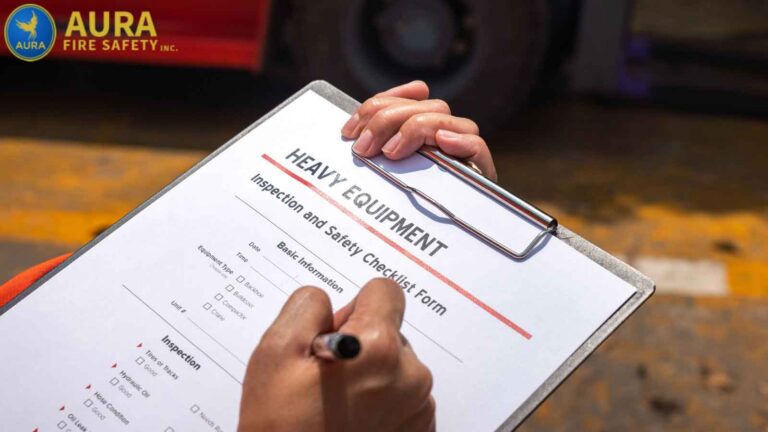
Inspectors review documentation as carefully as they examine physical equipment. Title 19 requires property owners to maintain records of all inspections, tests, and maintenance activities. Missing records create an automatic deficiency, even if the equipment itself functions perfectly.
Expired service tags on sprinkler systems, fire pumps, and suppression equipment signal that required maintenance intervals have lapsed. Incomplete maintenance logs raise questions about whether proper procedures were followed during previous service visits.
How to fix it:
| Documentation Issue | Required Action |
| Missing inspection reports | Obtain copies from your fire protection contractors or schedule a new inspection |
| Expired service tags | Schedule maintenance to bring systems current |
| Incomplete logs | Implement a documentation system with your service provider |
| No previous records | Start fresh with a comprehensive baseline inspection |
Professional fire protection service providers supply complete documentation after every visit. This includes detailed inspection reports, deficiency lists, and updated service tags that satisfy AHJ requirements.
4. Kitchen Hood Suppression System Deficiencies
Commercial kitchens face unique fire hazards that require specialized suppression systems. Kitchen hood fire suppression systems fail inspection when maintenance lapses allow grease accumulation, chemical agents expire, or mechanical components degrade.
Grease buildup on filters, ducts, and hood surfaces creates a fuel source that the suppression system may not fully extinguish. Expired wet chemical agents lose effectiveness over time. Damaged fusible links, clogged nozzles, and frayed cables prevent proper system activation during a fire.
How to fix it:
- Schedule semi-annual suppression system service as required by code
- Maintain a regular hood cleaning schedule (frequency depends on cooking volume)
- Replace expired wet chemical cylinders before they reach their expiration date
- Inspect fusible links and nozzles during each service visit
Kitchen suppression systems demand specialized expertise. Only qualified technicians should service these systems, as improper handling can trigger accidental discharge or leave the system inoperable.
5. Control Valve and Access Issues
Control valves regulate water flow to sprinkler systems. Inspectors verify that all valves remain in the open position and are appropriately secured. A closed valve discovered during inspection represents a severe deficiency because it renders part or all of the sprinkler system inoperable.
Access problems compound valve issues. Locked mechanical rooms without proper signage, blocked pathways to valve locations, and missing tamper seals all generate inspection failures. These issues suggest that ongoing monitoring and maintenance may be inadequate.
How to fix it:
- Verify all control valves are open and locked or supervised
- Install tamper switches connected to the fire alarm panel
- Post clear signage identifying valve locations
- Maintain clear access paths to all fire protection equipment
- Document valve positions during regular inspections
For detailed guidance on sprinkler system corrections, see our article on common fire sprinkler correction issues and solutions.
How to Prepare for Your Next Fire Inspection
Preparation separates properties that pass inspections consistently from those that repeatedly fail. A systematic approach to fire protection keeps your building compliant year-round rather than scrambling before scheduled inspections.
Create a Pre-Inspection Checklist
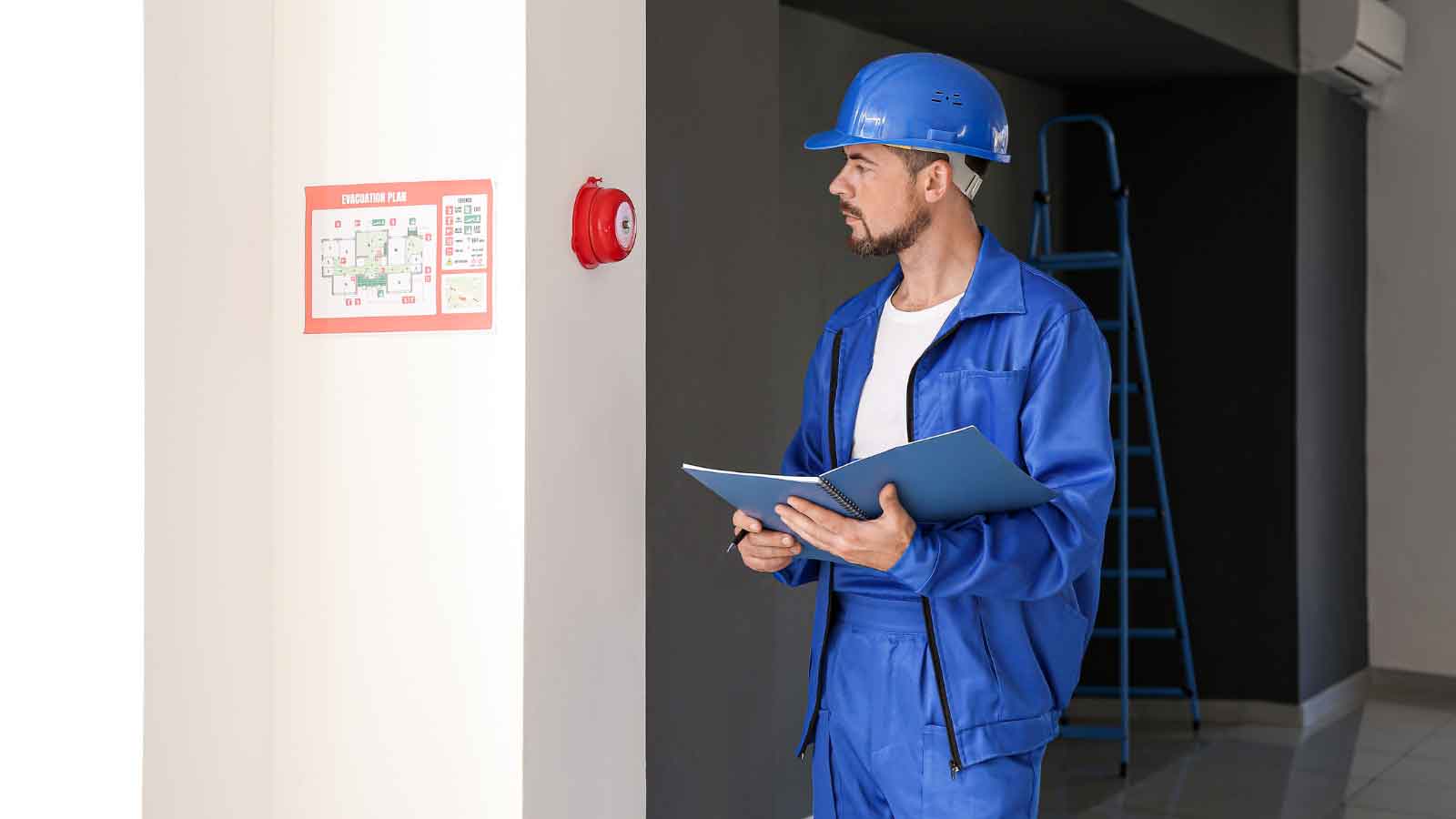
Walk through your property 30 days before your scheduled inspection. Check sprinkler head clearances in storage areas, test a sample of smoke detectors, and verify that all documentation is organized and accessible. This walkthrough reveals issues you can address before the official inspection.
Your checklist should cover every system subject to inspection. Include visual checks of sprinkler heads, functional tests of alarm devices, review of service tags, and confirmation that access routes remain clear. Document your findings and track corrections to completion.
Partner with a Qualified Fire Protection Contractor
A relationship with an experienced fire protection company provides value beyond annual inspections. Qualified contractors identify developing problems during routine service visits, recommend corrections before they become violations, and respond quickly when issues arise.
Look for contractors who service both fire sprinkler and alarm systems. This combination simplifies coordination and ensures consistent service across all your fire protection needs. Contractors familiar with local AHJ requirements understand exactly what inspectors look for in your jurisdiction.
What Happens After a Failed Inspection?
A failed inspection triggers a correction period determined by the AHJ. Timeframes vary by deficiency severity, ranging from 24 hours for critical life-safety issues to 30 days or more for minor violations. Your deficiency notice specifies the deadline and required actions.
Re-inspection fees apply when the AHJ returns to verify corrections. These fees typically range from $150 to $500 per visit, depending on your jurisdiction. Multiple failed re-inspections escalate costs and may result in additional penalties or operational restrictions.
Acting quickly benefits your bottom line and your building’s safety. Contact your fire protection service provider immediately after receiving a deficiency notice. Experienced contractors prioritize correction work and coordinate directly with inspectors to schedule re-inspections efficiently.
Keep Your Property Compliant with Professional Fire Protection Services
Fire inspection failures cost property owners time, money, and peace of mind. The five issues outlined above account for the majority of deficiencies, and each can be addressed with proper maintenance and professional attention. Addressing these problems proactively keeps your building compliant and your occupants safe.
Aura Fire Safety has served San Francisco Bay Area property owners for over 27 years, providing comprehensive fire protection services, including inspections, corrections, and ongoing maintenance. Our team handles fire sprinkler systems, fire alarms, and kitchen hood suppression systems, providing a single point of contact for all your fire protection needs.
Ready to pass your next fire inspection? Contact Aura Fire Safety today to schedule your inspection or correction service. Our experienced fire protection contractors respond quickly and deliver the documentation you need to satisfy AHJ requirements.